
Home Gardening for Food Security in Gaza (Gaza Grown Initiative)
Project Story
Between 2024 and 2025, Veranda helped 75 displaced families in Gaza grow their own food through home gardening. With agricultural land severely affected, limited access to fresh vegetables, and thousands of families living in displacement camps, the project introduced home gardening as a practical and sustainable solution for improving household food security.
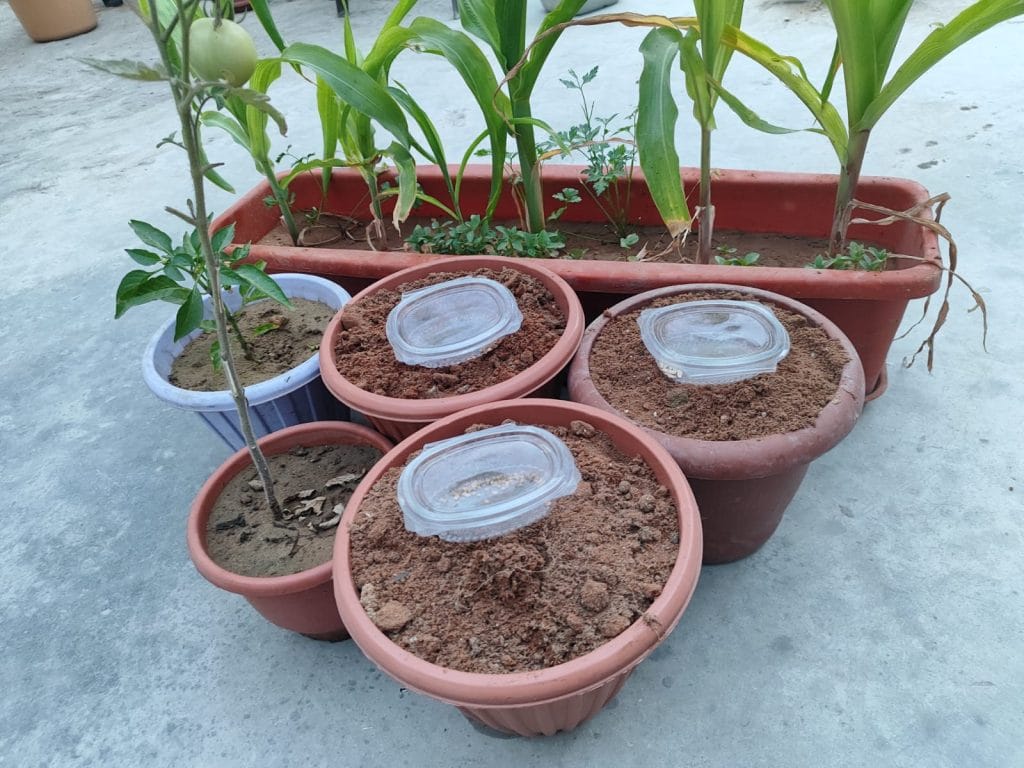
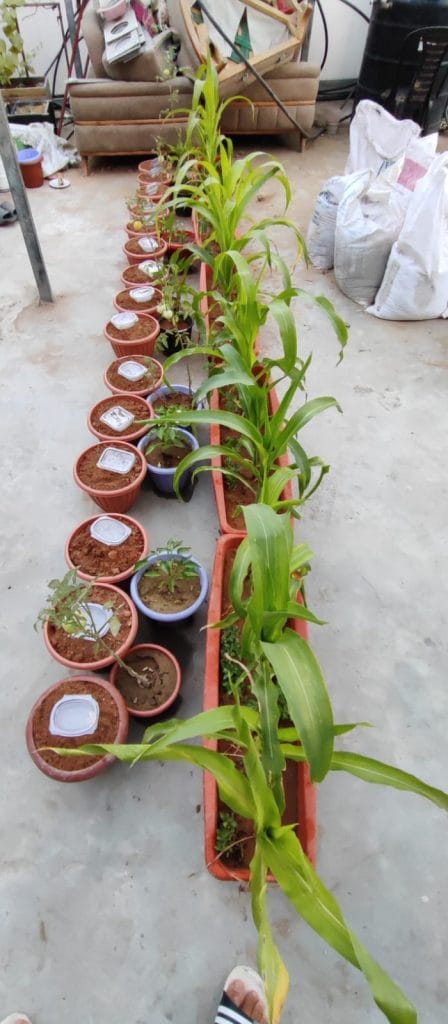
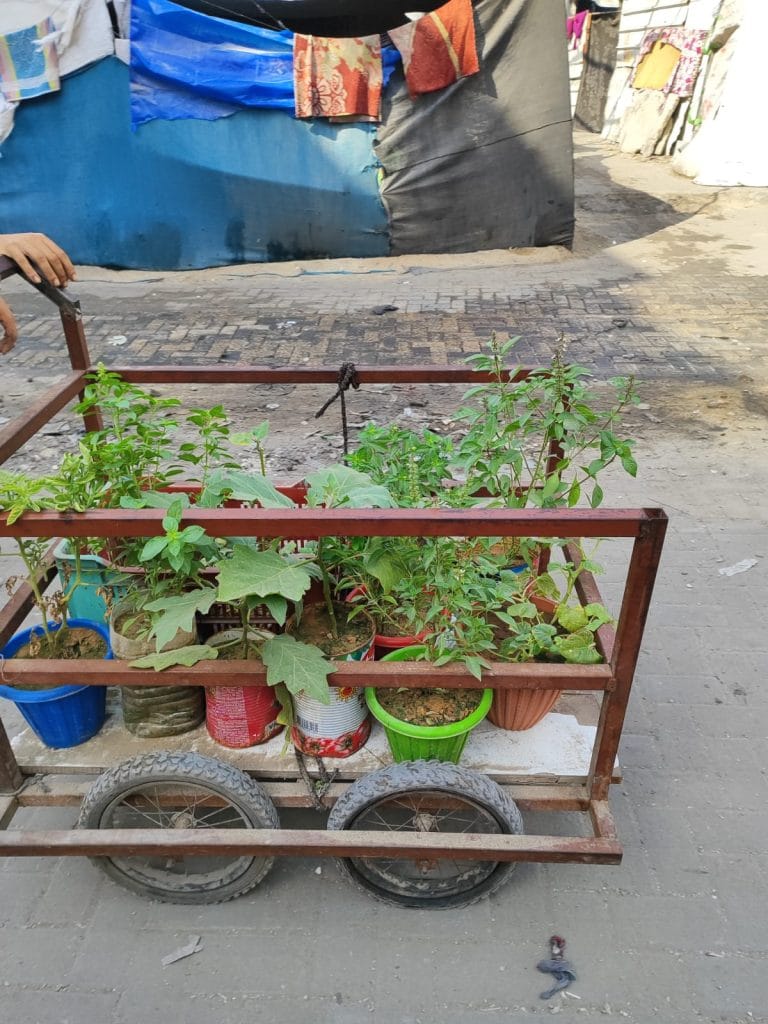
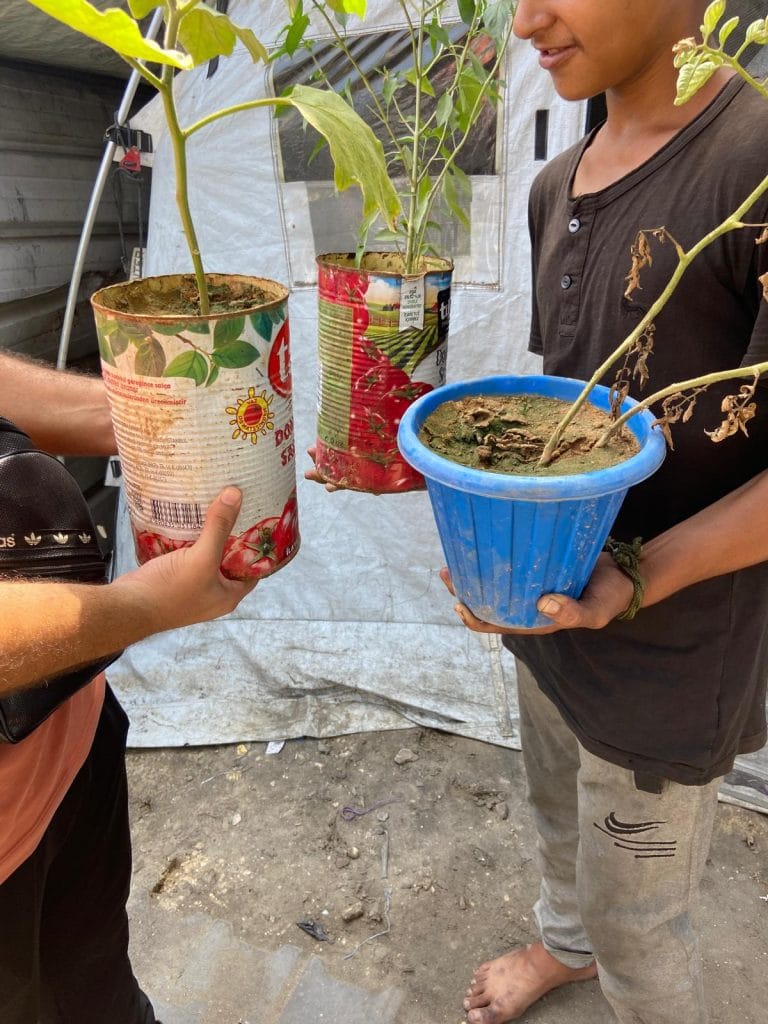
The initiative supported 75 displaced families across the Gaza Strip by providing home gardening kits, locally adapted vegetable seeds and seedlings, and practical guidance on growing food in small spaces. Designed for families with little or no previous farming experience, the project enabled participants to establish productive gardens around temporary shelters using simple, low-resource cultivation techniques suitable for emergency conditions.
By promoting urban agriculture, sustainable gardening, and small-scale food production, the project helped families improve access to fresh vegetables while reducing their dependence on increasingly limited food supplies. Participants cultivated a variety of nutritious crops adapted to local conditions, creating resilient home gardens that contributed to healthier diets and strengthened household resilience throughout the displacement period.
Beyond food production, the project demonstrated how nature-based solutions can support communities during humanitarian emergencies. Home gardens became safe and productive spaces where families could reconnect with the land, engage children in environmental learning, and restore a sense of stability and dignity despite the challenges of displacement. By combining sustainable agriculture, community resilience, and environmental design, Veranda showcased an approach that addresses immediate humanitarian needs while creating long-term environmental and social impact.
Today, the Home Gardening for Displaced Families in Gaza project stands as an example of how climate-smart agriculture, urban farming, and community-led environmental solutions can strengthen food security and empower vulnerable communities, even in one of the world’s most challenging humanitarian contexts.