
Palestine Land Lab
Project Story
The Palestine Land Lab is Veranda’s flagship initiative to regenerate Gaza’s land through soil remediation and regenerative agriculture. Building on Veranda’s experience in sustainable agriculture, home gardening, and community food production, the project is establishing a living laboratory where environmental restoration, regenerative agriculture, and community education come together to create practical solutions for post-conflict recovery.
| Location | Central Gaza |
|---|---|
| Started | Summer 2026 |
| Status | In progress |
| Type | Land regeneration · Sustainable agriculture |
| Veranda’s role | Site plan, planting and irrigation design, Arabic field guide; delivered by Veranda’s field team |
The challenge
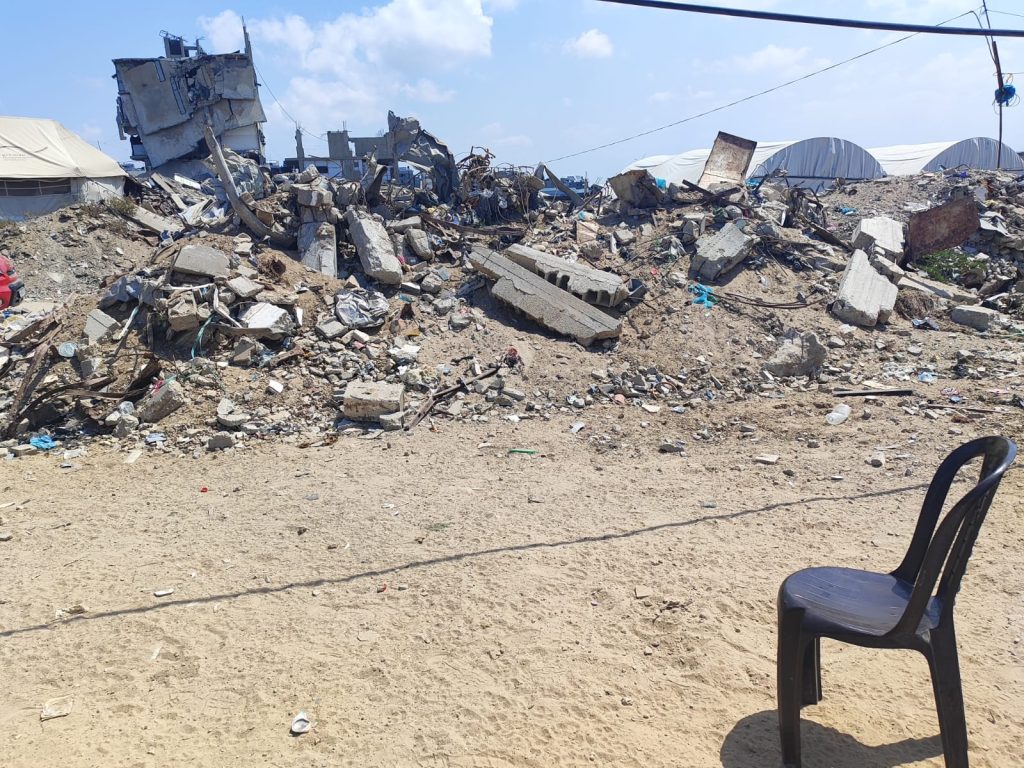
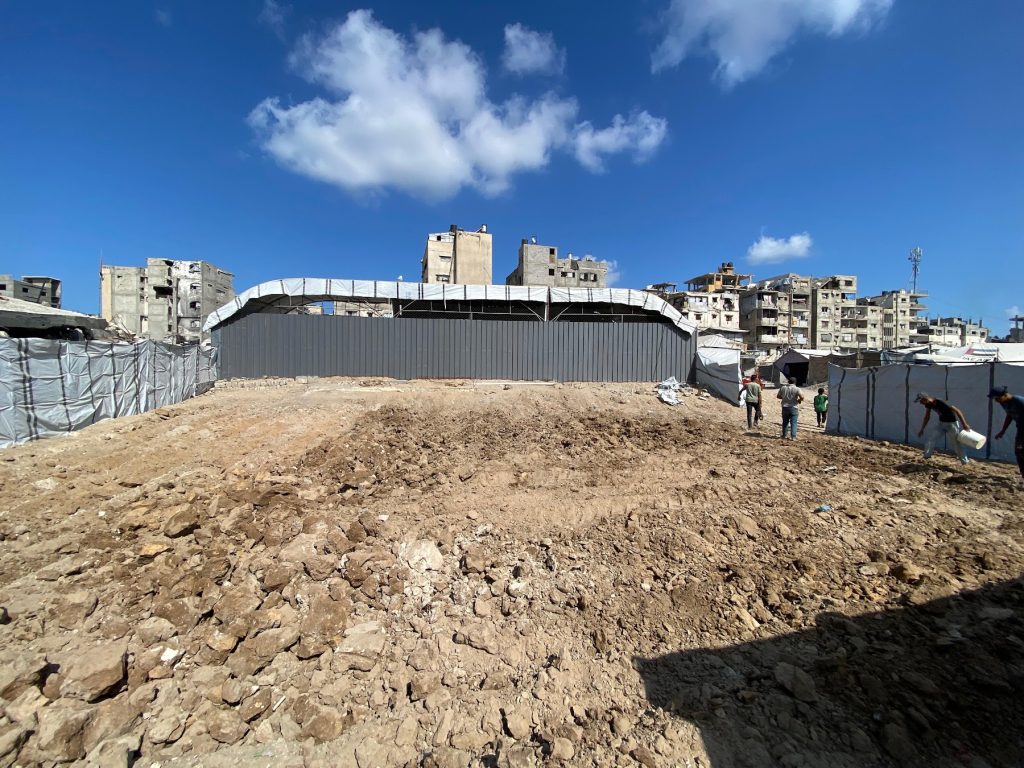
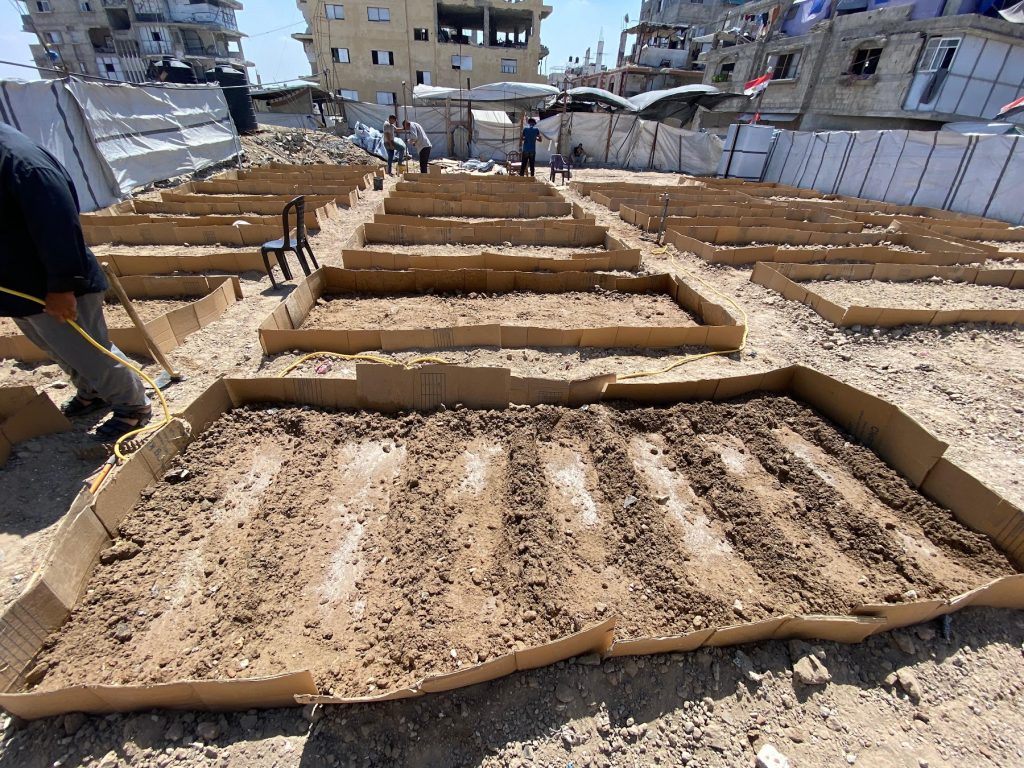
After years without cultivation, the plot was covered in rubble and its soil was badly depleted. Machinery, materials and even organic waste for compost are scarce in Gaza. The question was how to bring damaged land back into food production with what is locally available.
The design idea
The Land Lab is a working test site: a small plot designed to show, step by step, how damaged land can be restored. We designed the site plan, planting calendar, irrigation and a living fence, and wrote an Arabic field guide so the field team can run each step safely and record the results.
Key design decision
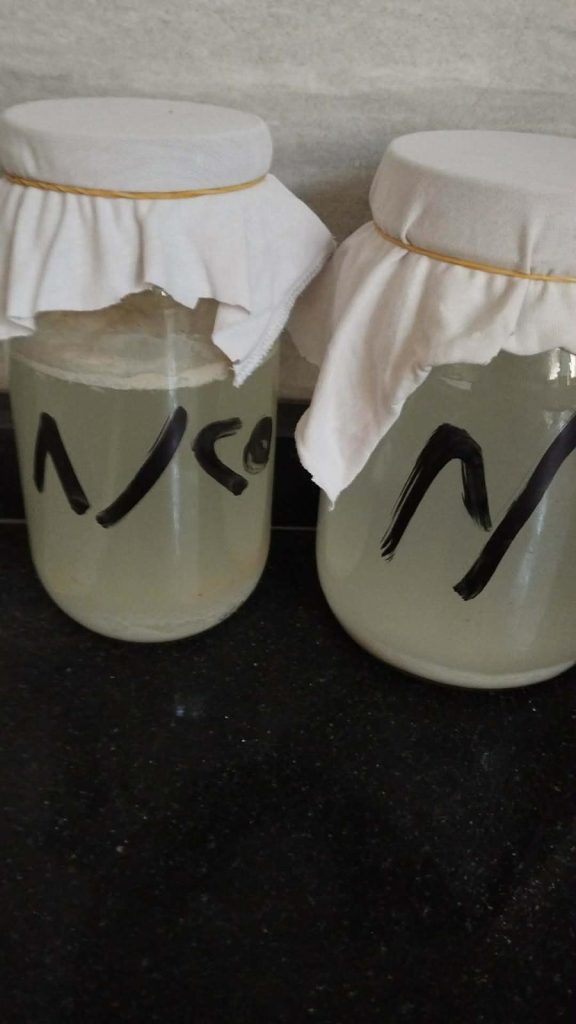
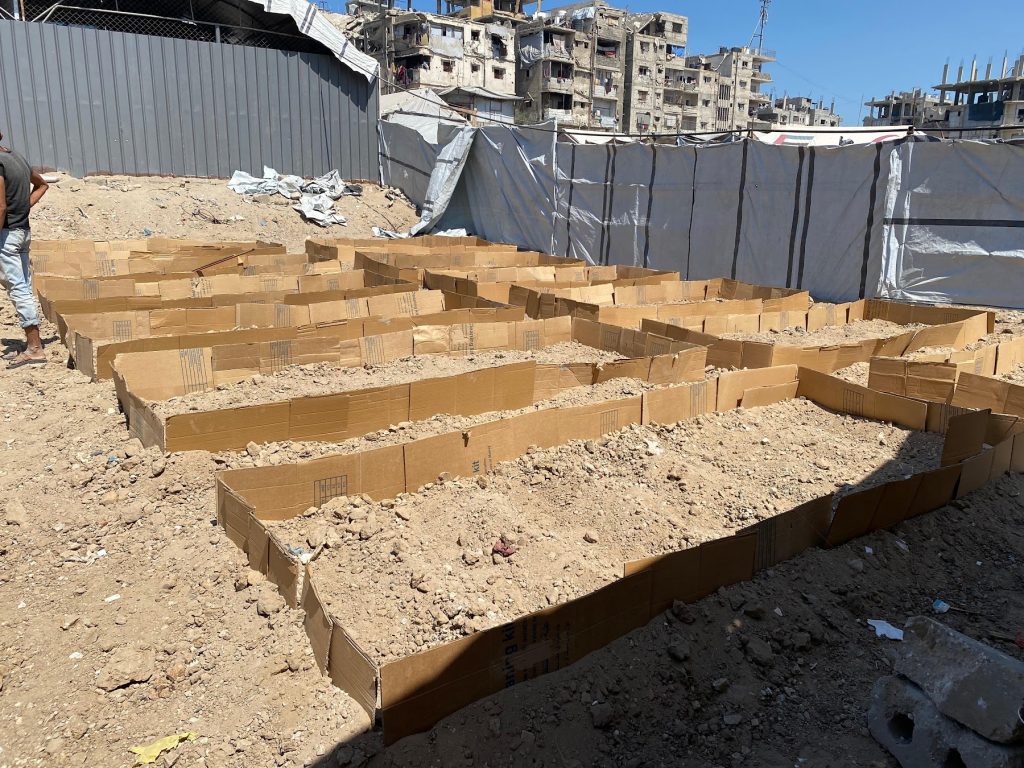
We chose to rebuild the soil with inputs made on site rather than bought in: Bokashi fermentation and a fish-hydrolysate fertiliser, with raised beds to control soil quality. This keeps the project independent of imports and makes the method something other farmers in Gaza can copy.
Progress so far (updated October 2026)
Work on the Land Lab site in Central Gaza began in summer 2026. Despite severe shortages of machinery and materials, Veranda’s field team has moved the project from site preparation into active cultivation.
- Site prepared: the plot was cleaned, its boundary set out, and rubble cleared from the northern side using hired heavy equipment.
- Land ploughed: after weeks of searching for available machinery, a tractor was secured and the long-uncultivated, compacted soil was ploughed at the end of August.
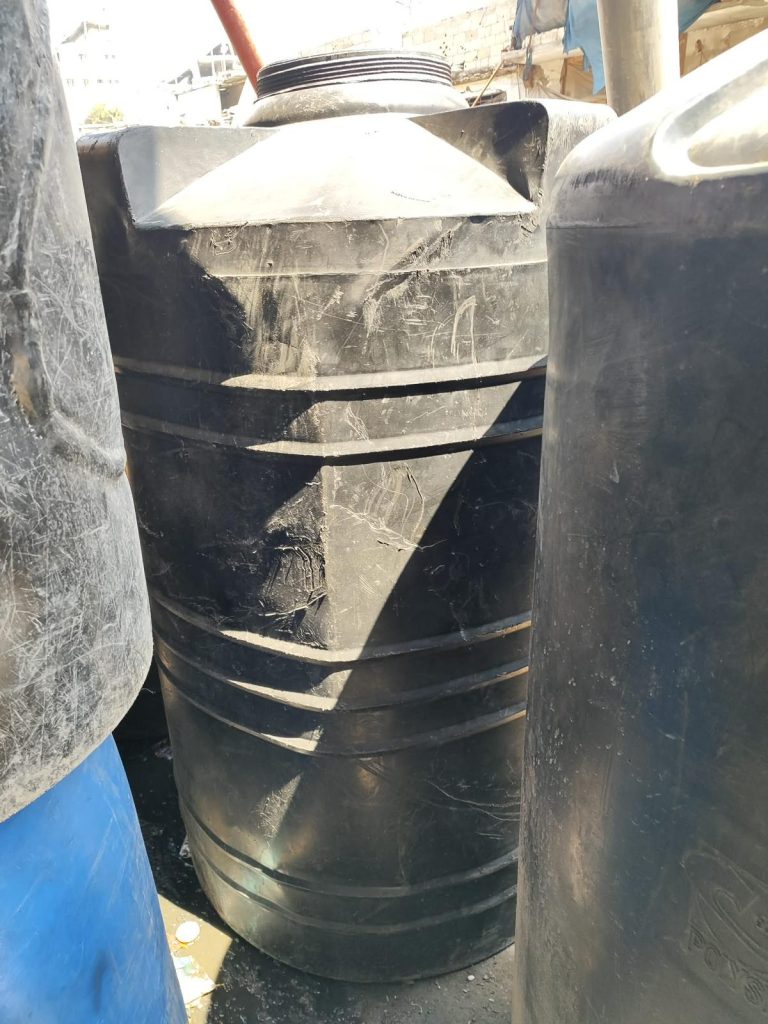
- Water ready: water tanks and an irrigation network were installed before planting.
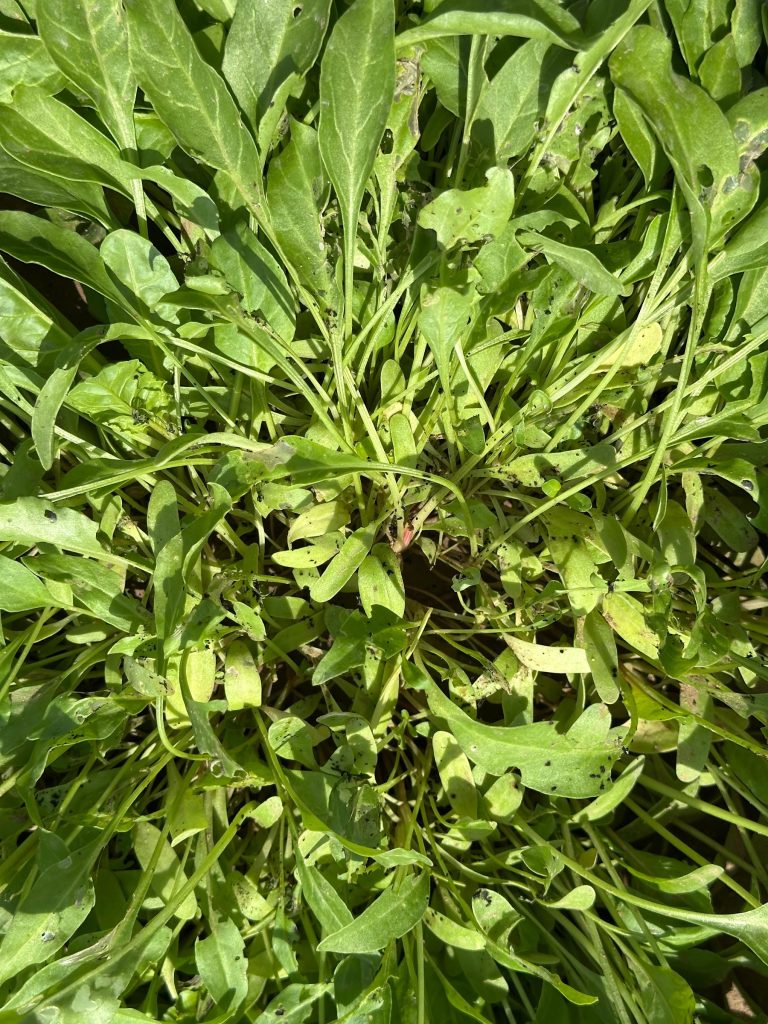
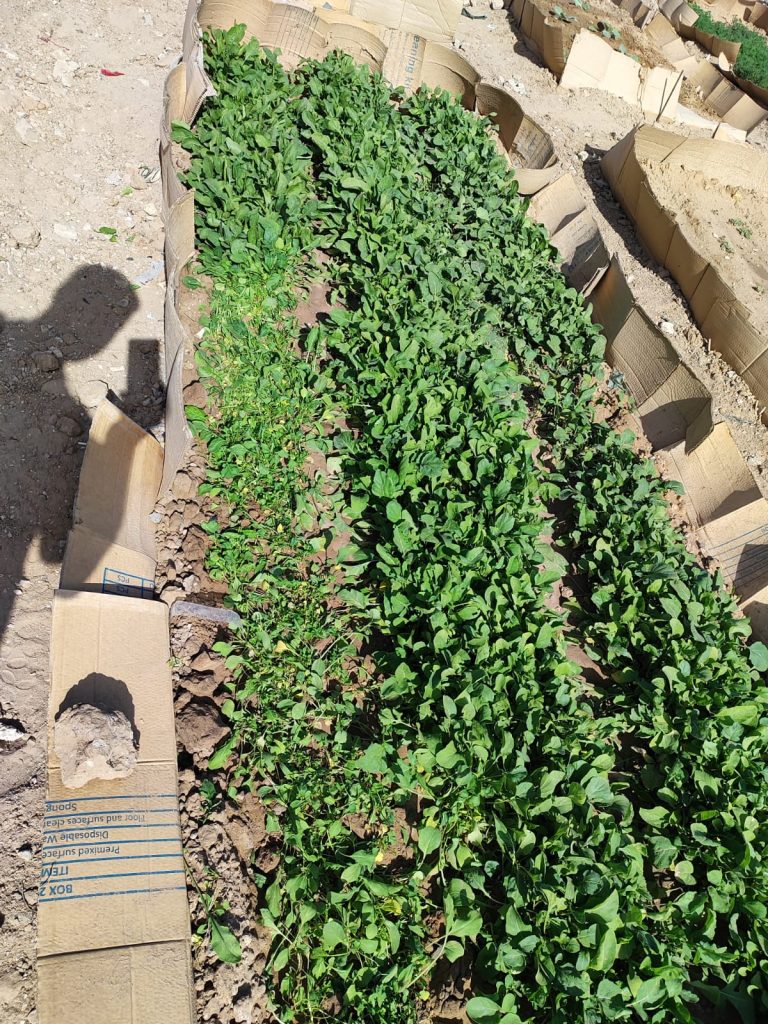
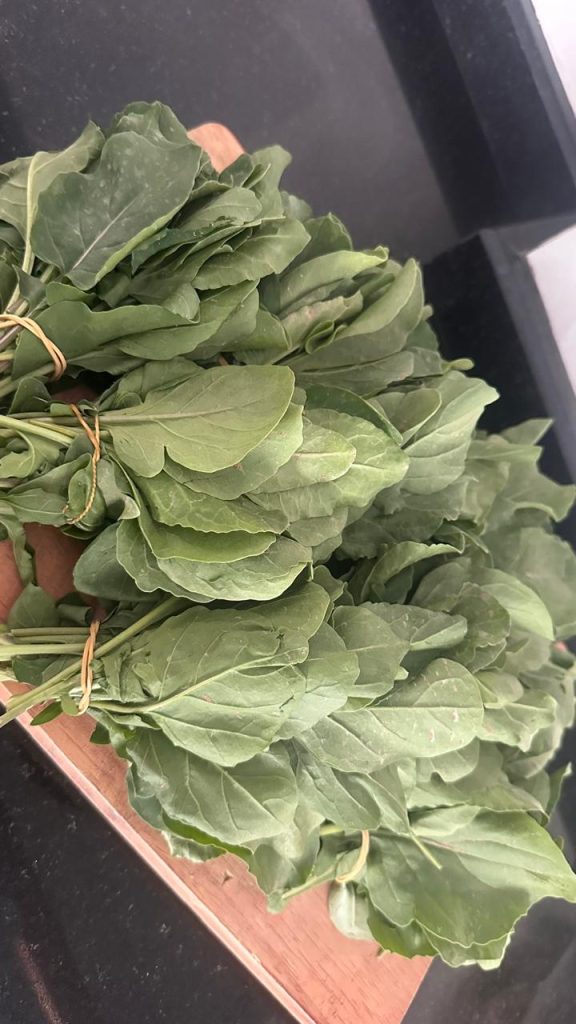
- First crops in the ground: planting began in September and crops are establishing. Seeds for mallow, spinach, Swiss chard, turnip and parsley have been secured, and sweet potatoes are being propagated.
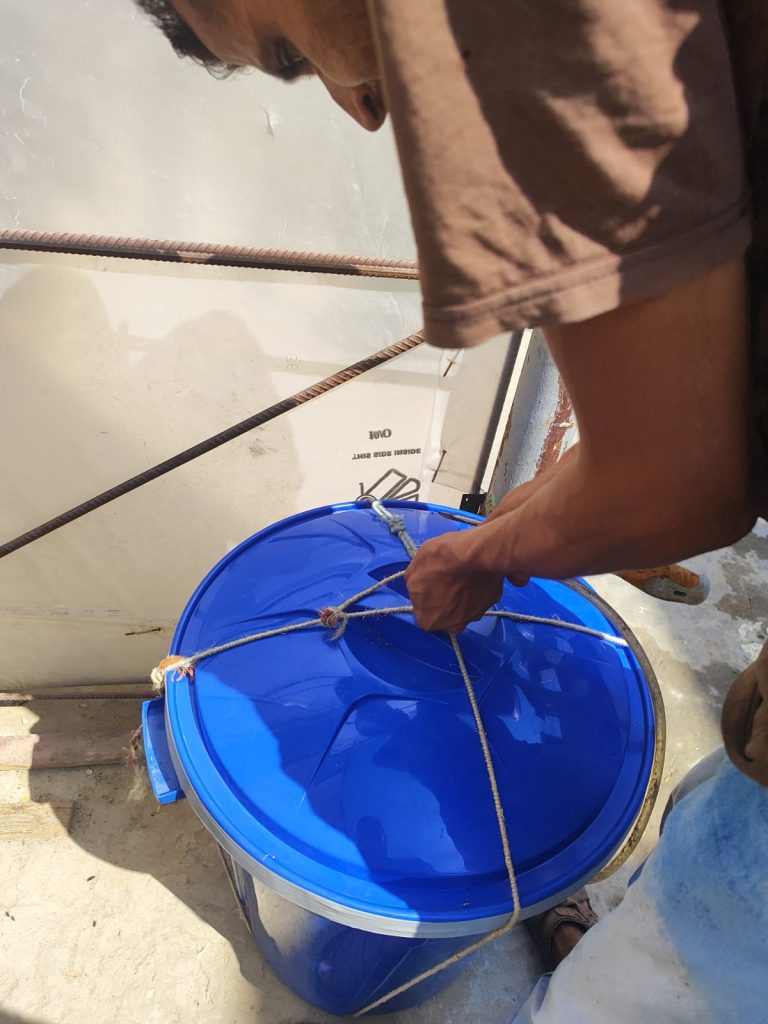
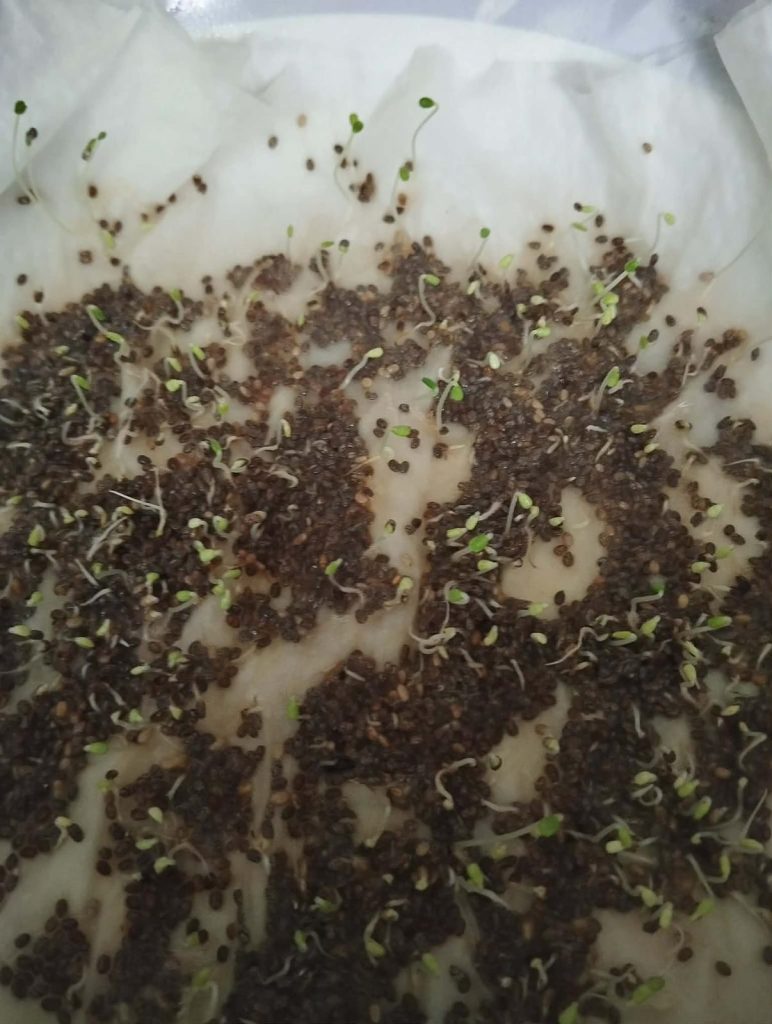
- Locally made soil inputs: the team built Bokashi beds, prepared the fermentation starter and produced its first fish-hydrolysate fertiliser, with an Arabic field guide so it can be tested safely. Microgreen trials tested fast, space-efficient food production.
- Living fence: cactus and moringa plants were secured to create a productive, drought-tolerant boundary.
What we are learning
Early yellowing in the cowpea crop showed how depleted the soil is after years without cultivation, so soil recovery will take time and careful, documented inputs. Organic waste for composting is also scarce: families and vendors are using nearly all available food, so Bokashi production will start with smaller batches.
In progress and next
- Strengthen soil nutrition gradually and record how crops respond.
- Begin a documented field trial of the fish fertiliser.
- Plant the sprouted sweet potatoes and seasonal crops.
- Plant the cactus and moringa living fence.
- Scale up Bokashi production as organic material becomes available.
Planned for later phases
These are long-term goals for the Land Lab, not results achieved yet. Each one will be tested and documented before it is presented as an outcome.
- Soil and water remediation trials using nature-based methods such as phytoremediation, bioremediation and mycoremediation.
- Compost, rainwater harvesting and constructed-wetland systems as part of a circular, low-waste model.
- Hydroponic and climate-resilient food production alongside regenerative field crops.
- A community stewardship and training hub where farmers, young people and families learn land-restoration skills.
The Land Lab is made possible by the generous support of our donors and friends of Veranda.