
Research & Partnerships
Turning field experience into shared knowledge.
Our projects are also places to test and document ideas: how to restore damaged soil with locally made inputs, how to grow food in small spaces, and how to build shelter from local and recovered materials.
Each trial is recorded step by step, so what works, and what does not, can be shared and adapted elsewhere.
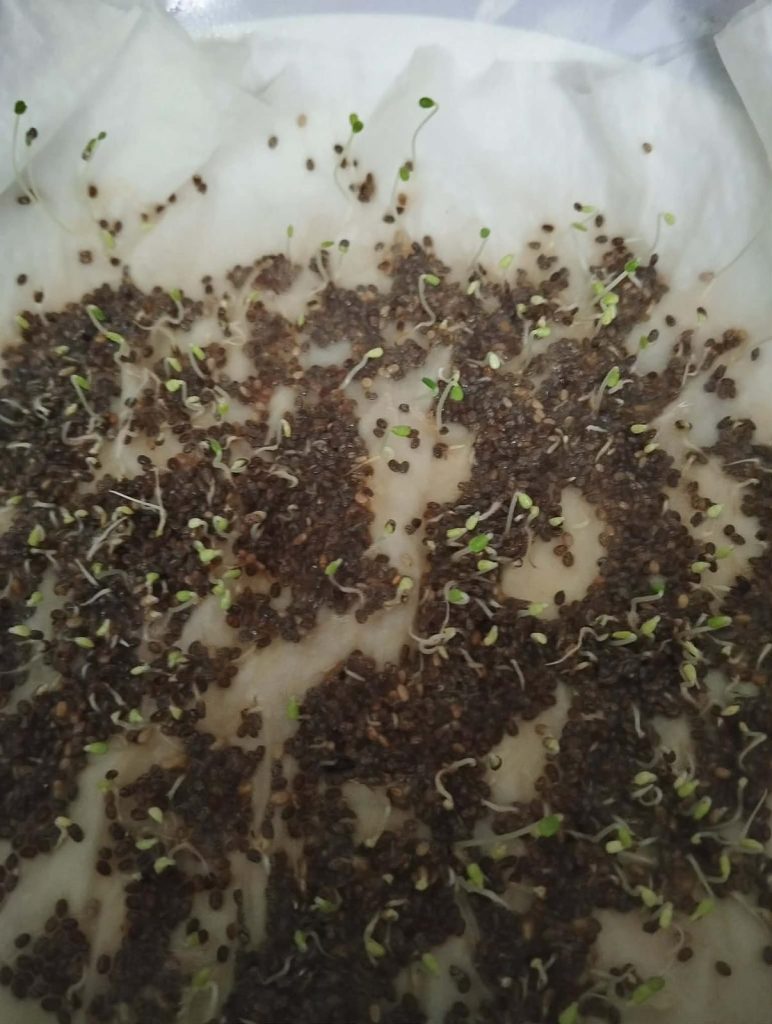
What we test and document
Learning from the field
Each project is designed, built and recorded so that what works, and what does not, can be shared and adapted elsewhere.
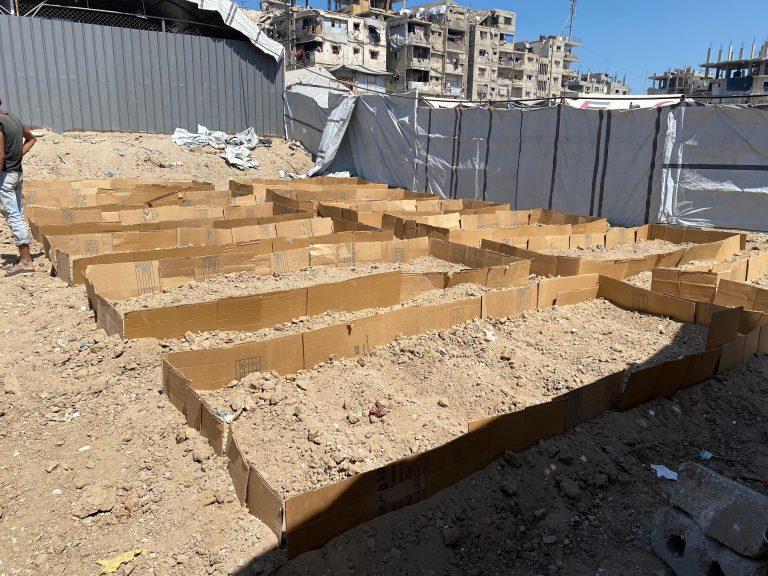
Soil and land regeneration
Palestine Land Lab
In progress · since 2026
A living laboratory for bringing damaged land back into food production with what is available locally.
- Bokashi beds and a fish-hydrolysate fertiliser made on site
- Microgreen trials for fast, space-efficient food
- A cactus and moringa living fence
- An Arabic field guide so each step can be tested safely (written)
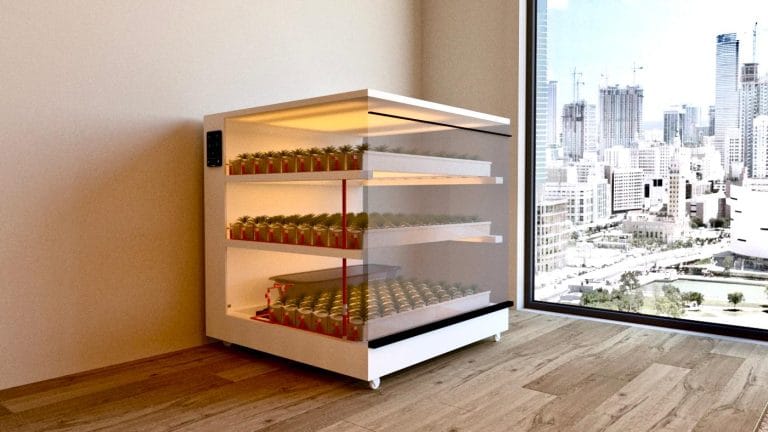
Food in small spaces
HydroVera
Prototype built · 2022
A cubic hydroponic device designed by Veranda so families in small apartments can grow their own food indoors.
See HydroVera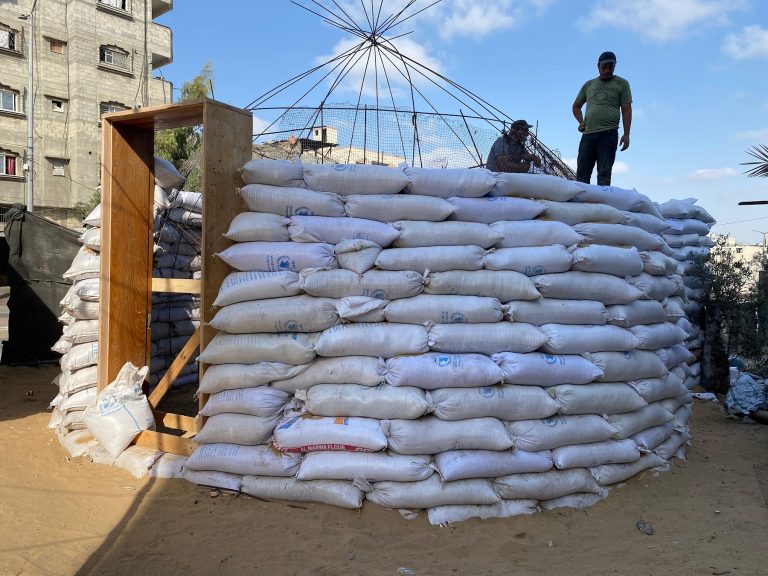
Shelter from local materials
SuperAdobe Housing Pilot
In progress · pilot 2026
Earthbag homes built from rubble and recovered aid sacks, developed with Nushoor Institute for displaced families in Gaza.
See the pilot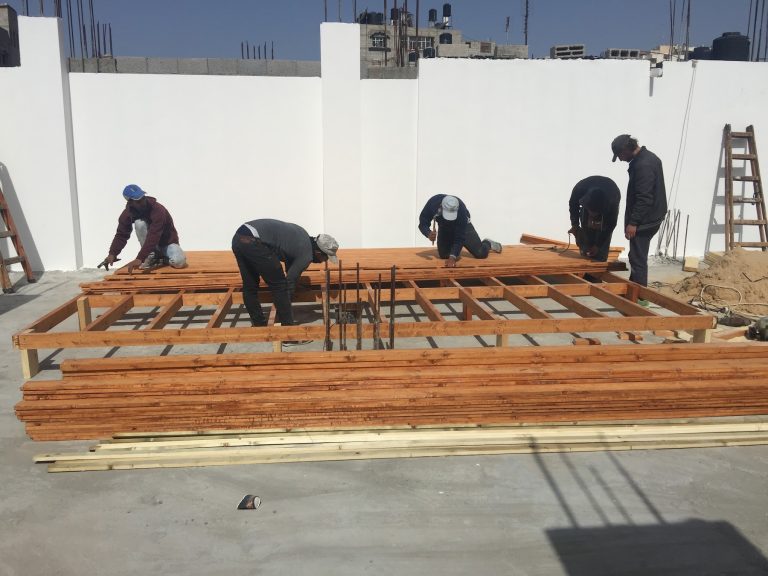
Documentation
Recorded step by step
Ongoing for every project
Our field team documents every project with photos and notes, from the empty site to the finished space. We share this through project pages and our Journal.
Read the JournalPartners
Working with others
We deliver and develop our work alongside local and international partners.


Collaborate · Global Network
Work with us
We are building a network of designers, researchers, practitioners and organisations who want to share knowledge and form teams for environmental and community projects in different places. The network is at an early stage, and we welcome universities, research centres and organisations interested in collaborating on:
- Low-cost soil regeneration and growing methods
- Food production in small and damaged spaces
- Low-impact building with local and recovered materials
- Documenting and sharing community-built projects