
Healthy soil starts with organic matter, and most of it can come from waste we already produce: kitchen scraps, garden trimmings and leaves. The two best-known ways to turn that waste into soil food are Bokashi and compost. They sound similar, but they work in very different ways. This guide explains how each method works, how to make it, and when to use which.
What is compost?
Composting is aerobic decomposition: bacteria, fungi and small creatures break down organic waste with the help of oxygen. Over weeks or months, the pile turns into dark, crumbly humus that improves soil structure, holds water and feeds plants slowly.
A compost pile needs four things: a mix of “greens” (nitrogen-rich materials such as vegetable scraps and fresh grass), “browns” (carbon-rich materials such as dry leaves, straw and cardboard), moisture, and air.
What is Bokashi?
Bokashi is a Japanese word often translated as “fermented organic matter”. Instead of rotting with air, the waste is fermented without air in a sealed container, using bran inoculated with beneficial microorganisms, mainly lactic acid bacteria and yeasts.
Bokashi does not finish the job on its own. After about two weeks in the bin, the waste is pickled but not yet soil. It is then buried in the ground or added to a compost pile, where it breaks down quickly.
Bokashi vs compost: key differences
| Aspect | Compost | Bokashi |
| Process | Aerobic decomposition (needs air) | Anaerobic fermentation (sealed, no air) |
| What it accepts | Plant scraps, garden waste, paper | Almost all food waste, including small amounts of cooked food, meat and dairy |
| Time | About 2–6 months (hot compost) or longer | About 2 weeks in the bin, then 2–4 weeks in soil |
| Space | A pile or bin outdoors | A sealed bucket that fits in a kitchen or on a balcony |
| Smell | Earthy when managed well | Sour, like pickles, while sealed |
| Extra input | Brown materials | Bokashi bran |
| By-product | Finished humus | Liquid “Bokashi tea” plus pre-compost |
How to make compost
- Choose a spot in partial shade, directly on soil if possible, so worms and microbes can move in.
- Layer greens and browns. A common rule is about one part greens to two or three parts browns by volume.
- Keep it moist, like a wrung-out sponge. Too dry and it stops; too wet and it smells.
- Turn it every one to two weeks to add air. A well-built pile heats up inside, which speeds it up and kills many weed seeds.
- Harvest when it is dark, crumbly and smells of earth, usually after a few months.
Avoid meat, dairy, oily food and diseased plants in an open home compost pile, as they attract pests and break down poorly.
How to make Bokashi
- Use a sealed bucket, ideally with a tap or false bottom to drain liquid.
- Add food waste in small pieces, pressing it down to remove air.
- Sprinkle Bokashi bran over each layer, about a handful for every few centimetres of waste.
- Close the lid tightly after each addition.
- Drain the liquid every few days. Diluted about 1:100 with water, this “Bokashi tea” can be used as a liquid feed.
- When the bucket is full, leave it sealed for about two weeks, then bury the contents in a trench or add them to a compost pile. Wait two to four weeks before planting directly into that spot, as fresh Bokashi is acidic.
Making your own Bokashi bran
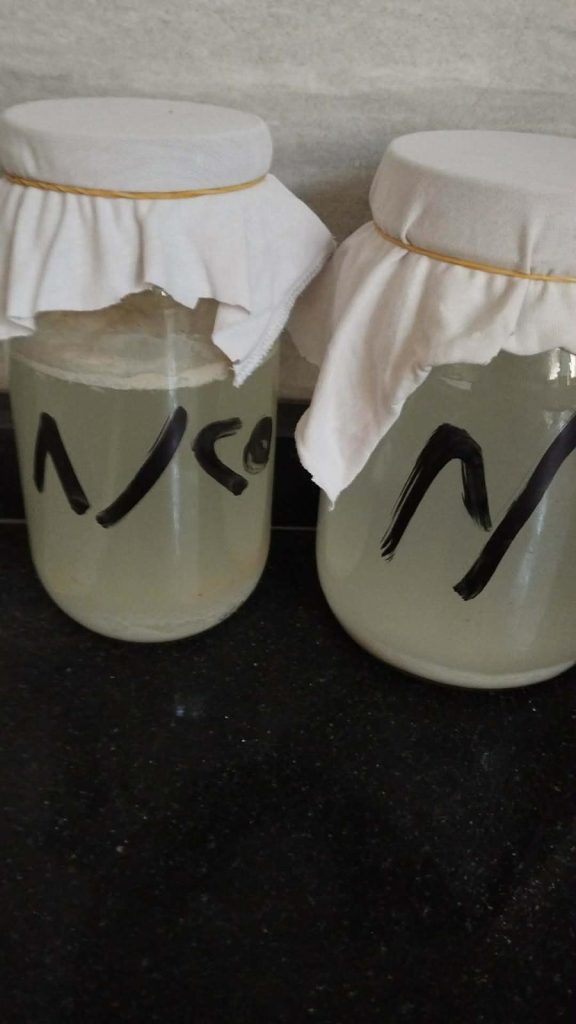
Ready-made bran can be hard to find or expensive. Many gardeners make their own by mixing wheat or rice bran with water, a little molasses and a microbial starter, then fermenting it sealed for about two weeks before drying it. A simple homemade starter can be made from rice-wash water and milk, which encourages lactic acid bacteria.
Which one should you choose?
- Choose compost if you have outdoor space, plenty of garden waste and time to wait.
- Choose Bokashi if you live in an apartment, produce a lot of food waste, or want to include cooked food.
- Use both for the best results: ferment food waste with Bokashi, then add it to the compost pile, where it breaks down much faster.
Common problems and fixes
| Problem | Likely cause | Fix |
| Compost smells rotten | Too wet or too many greens | Add dry browns and turn the pile |
| Compost is not breaking down | Too dry or too many browns | Add water and fresh greens |
| Bokashi smells bad, not sour | Air got in or not enough bran | Press waste down, add more bran, seal well |
| Black or green mould in Bokashi | Air or contamination | Discard the top layer; white mould is normal |
| Flies around the bin | Exposed food | Cover food waste with browns or bran |
Tips for hot, dry climates
- Keep compost piles and Bokashi bins in the shade.
- Check compost moisture more often; a cover helps it hold water.
- Bury Bokashi deeper in summer, so it stays moist while it breaks down.
- Use finished compost as mulch to protect soil from heat.
Conclusion
Compost and Bokashi are two simple ways to turn waste into healthier soil, and they work best together. Start small, with a bucket or a pile, and adjust as you learn. For more ideas, see our guides to container gardening in small spaces and sustainable agriculture, or ask our Design Studio to plan a garden around your space.