
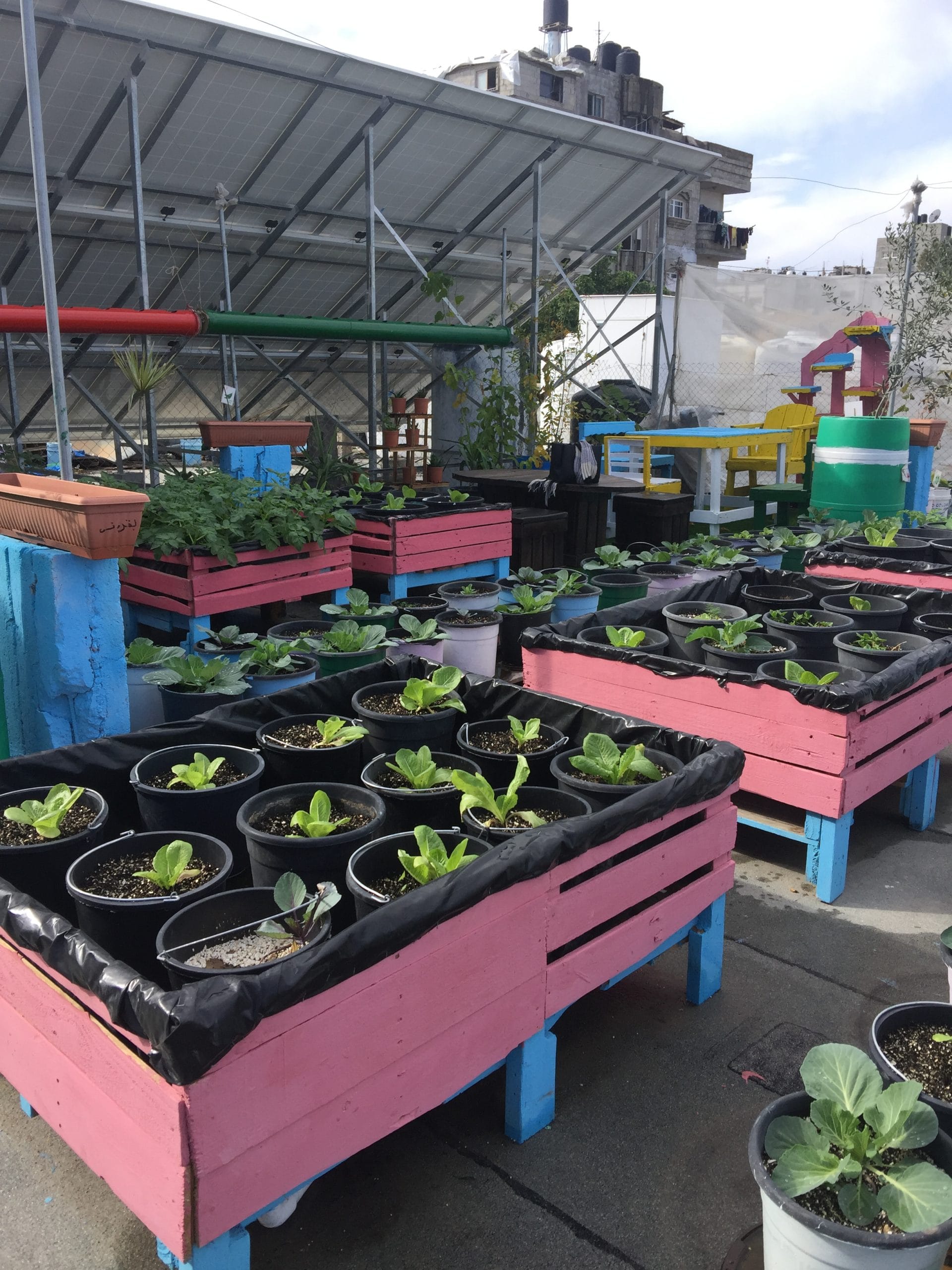
You do not need a garden to grow food. A balcony, a rooftop, a windowsill or a corner beside the door can produce herbs, leafy greens and even tomatoes. Container gardening is the practice of growing plants in pots, tubs, buckets and boxes instead of the ground. This guide covers how to choose containers, mix soil, water and feed plants, and which crops grow best in small spaces.
Why grow in containers?
- No land needed: any surface with light can become a growing space.
- Control: you choose the soil, so poor or contaminated ground is not a problem.
- Flexibility: pots can be moved to follow the sun or escape the heat.
- Easy start: a few pots are cheap, quick to set up and easy to look after.
Choosing the right container
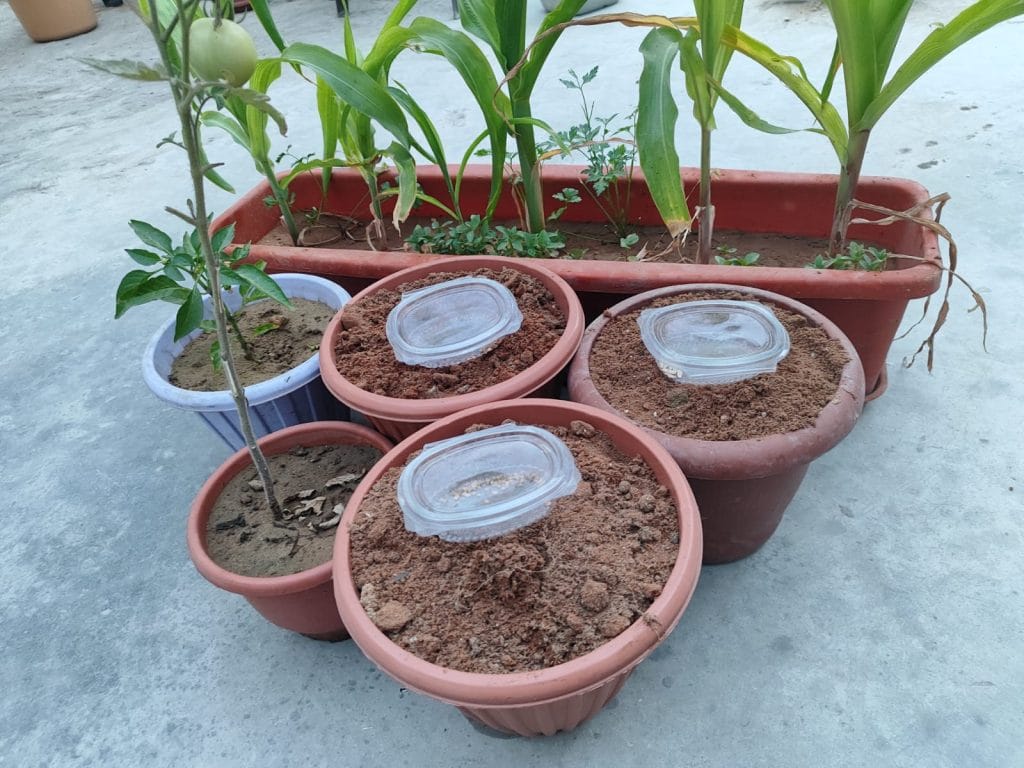
Almost anything can become a planter: clay and plastic pots, buckets, crates, tins and painted tyres. What matters is size and drainage.
- Drainage: every container needs holes in the bottom. Standing water rots roots.
- Depth: herbs and leafy greens grow well in pots about 15–20 cm deep; tomatoes, peppers and eggplants need at least 30 cm and around 20 litres of soil.
- Colour and material: dark pots heat up quickly in strong sun. In hot climates, choose light colours, clay, or shade the sides of the pot.
- Reuse: recycled containers work well; see our guide to designing with recycled materials for safety tips.
The right soil mix
Garden soil alone becomes hard and compact in a pot. Containers need a light, rich mix that drains well but holds moisture. A simple home recipe is:
- About one third good soil or potting mix,
- About one third compost (see our guide to Bokashi vs compost),
- About one third material for drainage and air, such as coarse sand, coco coir or perlite.
Refresh the mix each season by adding fresh compost, as plants use up nutrients quickly in a small volume of soil.
Light: find the sunniest spot
Most fruiting vegetables, such as tomatoes, peppers, eggplants and zucchini, need six to eight hours of direct sun a day. Leafy greens and many herbs, such as lettuce, spinach, mint and parsley, can manage with three to four hours, and appreciate afternoon shade in hot weather.
Watering container plants
Containers dry out much faster than the ground, especially on windy balconies and hot rooftops.
- Check daily: push a finger into the soil. If the top few centimetres are dry, water.
- Water deeply until it runs out of the bottom, early in the morning or in the evening.
- Mulch the surface with straw, dry leaves or small stones to slow evaporation.
- Save time and water with self-watering pots, saucers in hot spells, or a simple drip line on a timer.
Feeding your plants
Every watering washes some nutrients out of a pot. Mix compost into the soil at planting, then give a liquid feed every one to two weeks once plants start flowering or fruiting. Diluted Bokashi tea, compost tea or a balanced organic liquid fertiliser all work well.
The best crops for containers
| Crop | Minimum pot depth | Sun | Notes |
| Mint, parsley, basil | 15 cm | 3–6 hours | Easy and quick; keep mint in its own pot |
| Lettuce, spinach, Swiss chard | 15–20 cm | 3–4 hours | Harvest outer leaves to keep plants producing |
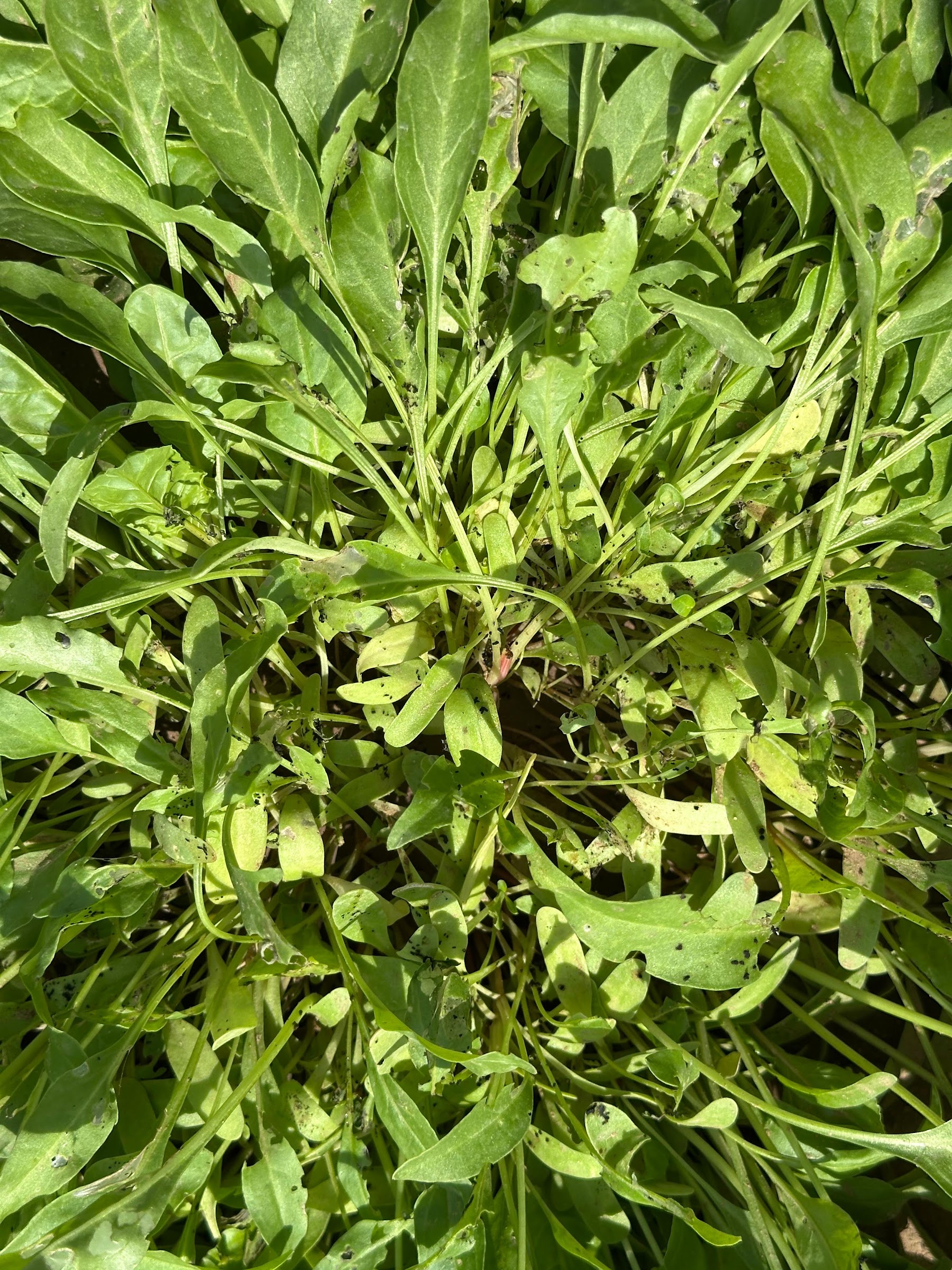
| Mallow, rocket | 20 cm | 4–6 hours | Fast-growing and tolerant |
| Peppers, eggplants | 30 cm | 6–8 hours | Need regular feeding when fruiting |
| Tomatoes | 30–40 cm | 6–8 hours | Cherry varieties suit pots best; add a stake |
| Zucchini, cucumber | 40 cm | 6–8 hours | Large pots; cucumbers can climb a trellis |
| Strawberries | 15–20 cm | 6 hours | Good in hanging or stacked planters |

Gardening on rooftops and balconies
- Weight: wet soil is heavy. Place large pots near walls, columns and edges that carry load, and ask an engineer before covering a whole roof.
- Wind: use wide, heavy pots, and stake tall plants. A low screen of reeds or fabric helps protect them.
- Heat: shade cloth over the hottest hours can save young plants in summer.
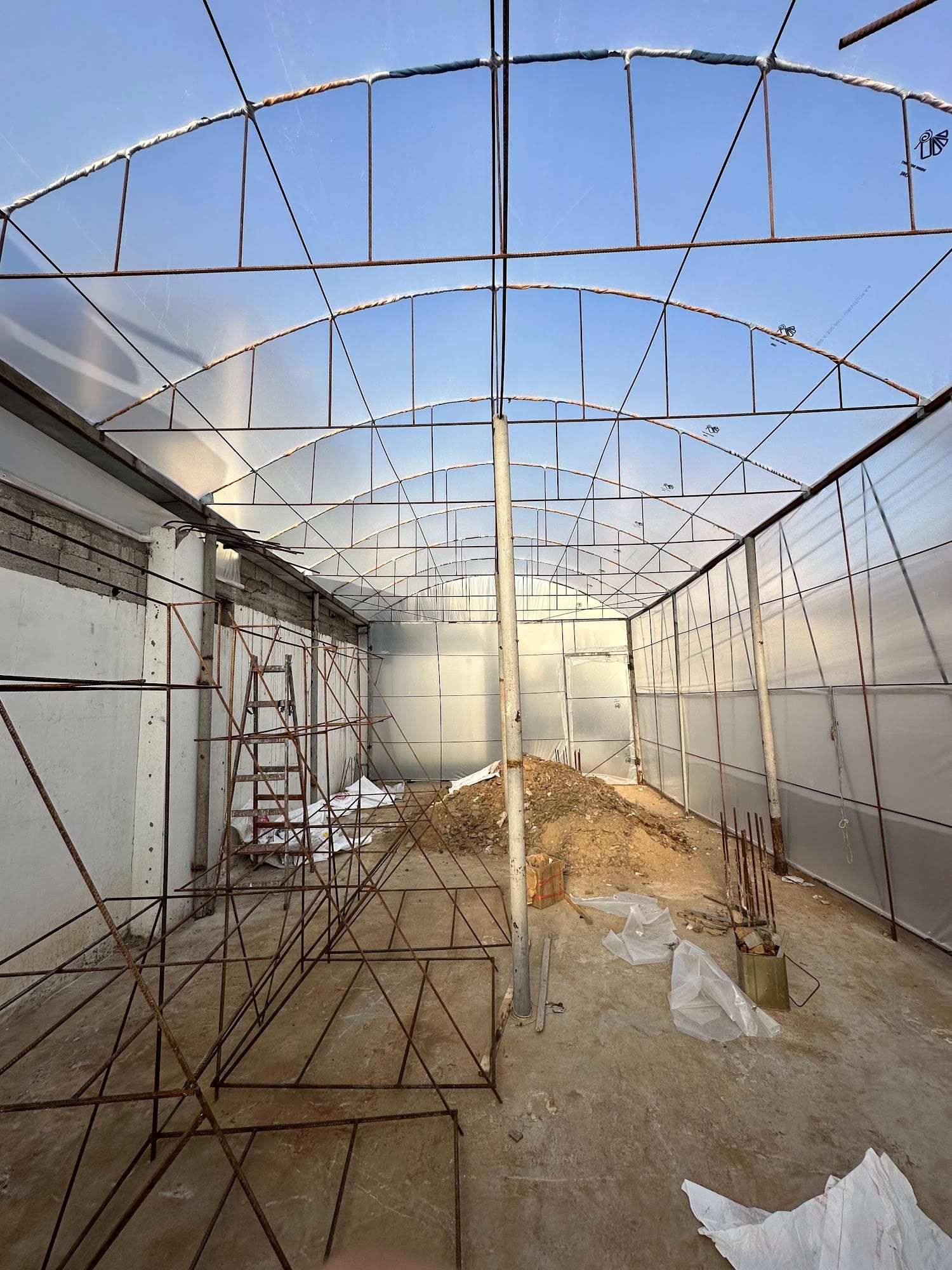
- Protection: small covers or mini greenhouses help seedlings through cold nights and strong sun.

Common mistakes to avoid
- Pots without drainage holes.
- Containers that are too small for the crop.
- Using only garden soil.
- Watering a little every day instead of deeply when needed.
- Forgetting to feed plants once they start fruiting.
Conclusion
Container gardening turns small, unused spaces into places that grow food and bring life to a home. Start with a few easy herbs and greens, learn how your space behaves, and add bigger crops as you go. For more ideas, read our guide to urban green spaces, or ask our Design Studio to design a balcony or rooftop garden around your space.