
Cities keep growing, and green space is often the first thing lost. Urban green spaces are not decoration: they cool streets, clean the air, absorb rainwater and give people somewhere to rest. This guide explains why they matter and the main ways designers bring them into dense neighbourhoods.
Why do cities need green spaces?
Green space is a civic, economic and health necessity, not an environmental luxury. Its main benefits:
- Cleaner air: plants trap dust and absorb carbon dioxide.
- Cooler streets and buildings: shade and evaporation lower surface temperatures, and planted roofs insulate the rooms below.
- Wellbeing: time near plants is linked to lower stress and better mood.
- Biodiversity: native plants support pollinators and other beneficial species.
- Water management: planted ground absorbs rainwater that would otherwise run off hard surfaces.
How an urban green space is designed
Good projects follow a similar sequence, whatever their size:
- Site analysis: climate, soil, wind, sun and shade, and how people already use the space.
- Integrated design: combining beauty and function, with native plants that need less water and maintenance.
- Water-efficient irrigation: drip lines, mulch and plant grouping, so every litre counts.
- Care over time: a simple maintenance plan, with the people who will look after the space involved from the start.
Common types of urban green space
1. Public and private gardens
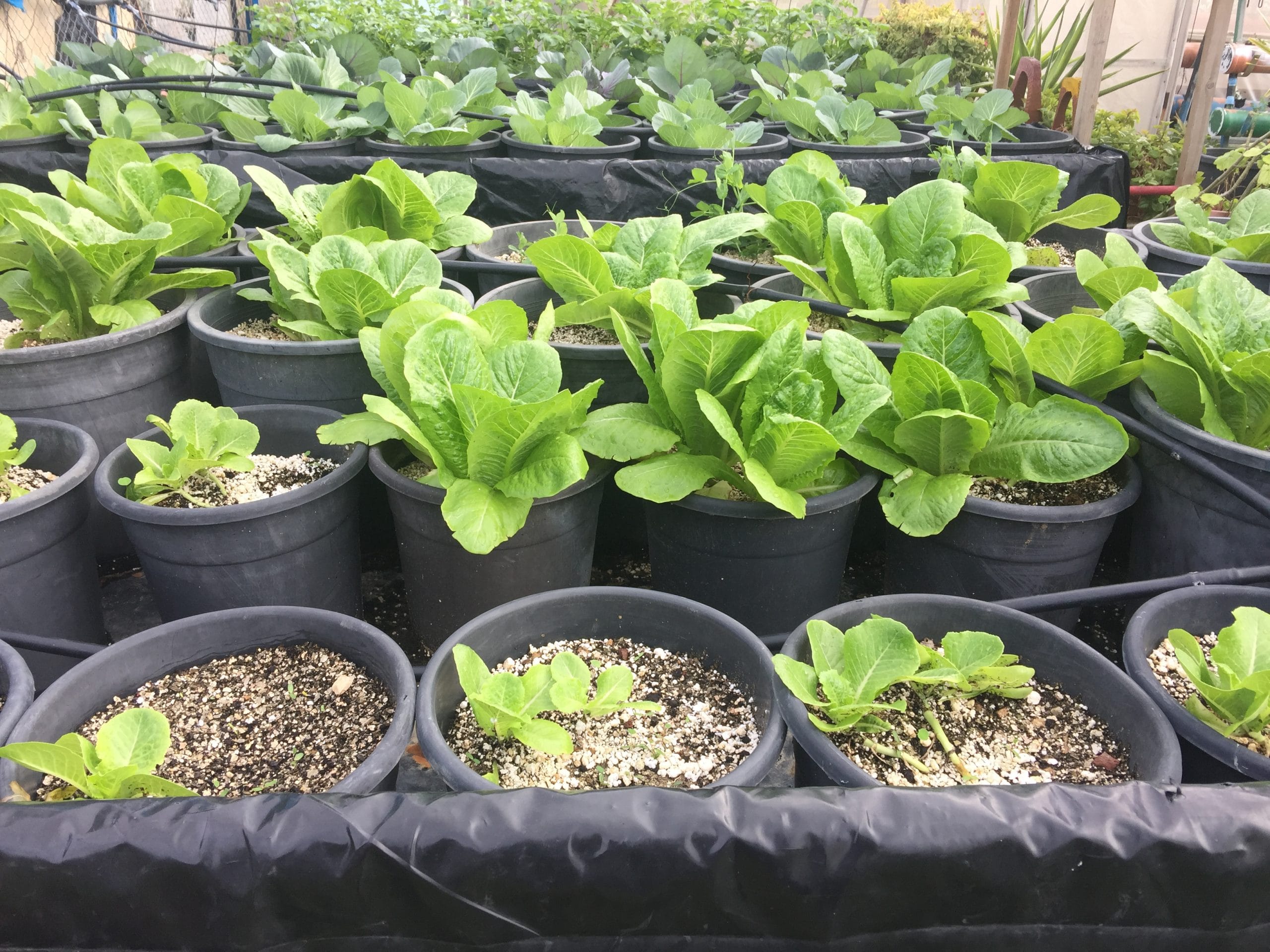
Gardens built on native and drought-tolerant plants can stay green with little water, which matters most where water is scarce.
2. Green roofs and walls
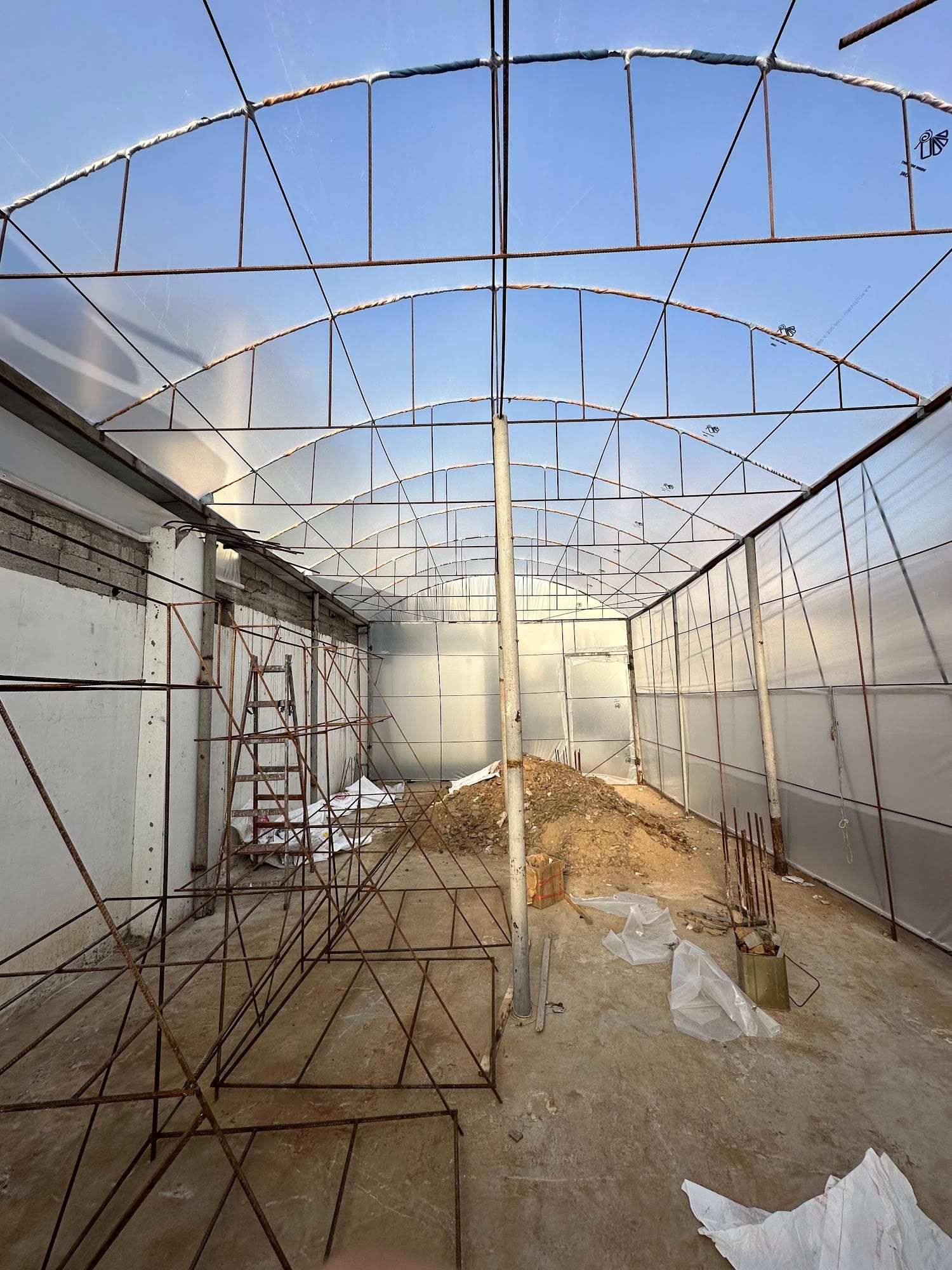
Rooftops and walls are often the only free surfaces in a dense neighbourhood. Planted roofs and green walls add growing space, shade and insulation.
3. Green streets and pathways
Tree-lined walkways and planted edges make walking more comfortable and link small green spaces into a network.
4. Smart irrigation
Sensors and controllers can match watering to what plants actually need. Even without them, drip irrigation and good scheduling save a large share of water.
5. Renewable energy
Small solar systems can power garden lighting and irrigation pumps, which lowers running costs and keeps systems working during power cuts.
6. Soilless growing
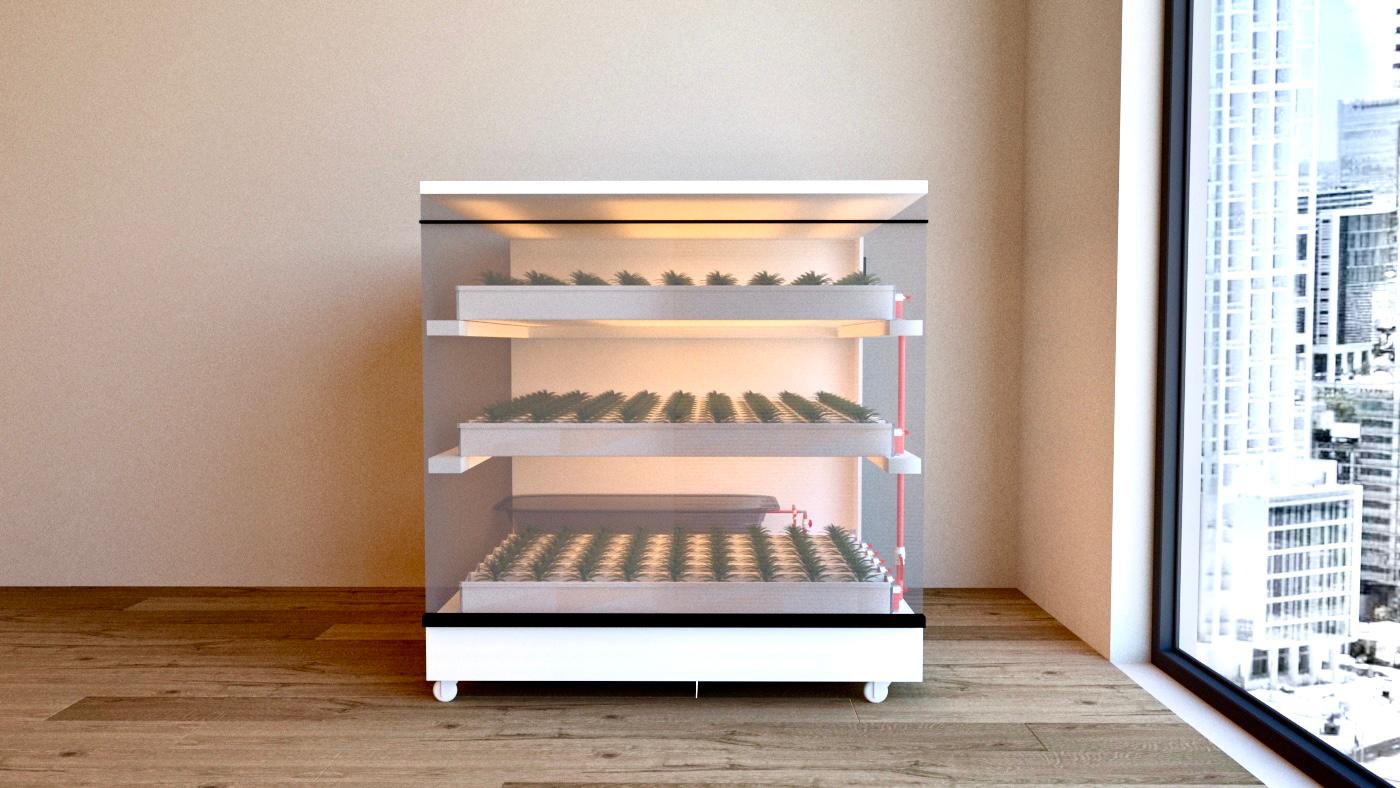
Hydroponic and aeroponic systems produce food in very small spaces, such as balconies, rooftops and indoor corners. Our guides to hydroponic farming and aeroponics vs hydroponics explain how they work.
Where Veranda’s work fits
Our own green-space work in Gaza has been small-scale and community-led: rooftop gardens with families, a community playground built mainly from reused materials, and water-efficient irrigation at the Palestine Land Lab.
Conclusion
Green space does not need a large budget. A planted rooftop, a shaded street edge or a small community garden each makes a neighbourhood healthier and more liveable. If you are planning a garden, rooftop or community space, you can tell us about it through our Design Studio.